
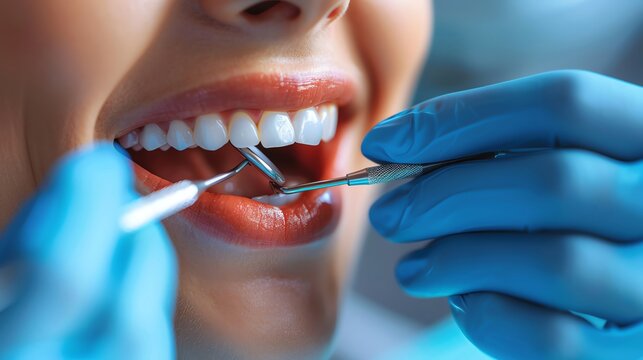
A tooth can be damaged in several ways, and the damage does not always tell you what treatment you need. A small cavity, a cracked tooth and a missing tooth require very different approaches. That is where dental restoration becomes important. Depending on the situation, treatment may involve repairing the existing tooth, strengthening it or replacing what is no longer there.
Why Might You Need a Dental Restore?
Usually because of decay, an accident, years of wear, or old dental work giving up. A filling cracks. A tooth chips. Decay takes out so much of the tooth that leaving it alone isn’t an option.
You may need a restoration if you have:
- A cavity or tooth decay
- A chipped, cracked or broken tooth
- A damaged or worn filling
- Heavy wear on your teeth
- Pain or sensitivity when you eat
- A missing tooth
Get it checked early. A smaller problem often means a simpler fix.
What Are the Different Types of Dental Restorations?
Dentists use several types of dental restorations, matched to how much damage there is.
Fillings
Fillings are the standard fix for cavities. The tooth decay is removed and filled by the dentist. Composite fillings can be colour-matched to your tooth, so they blend in.
Inlays and Onlays
Think of these as the middle step between a filling and a crown. They’re for teeth with too much damage for a normal filling, but not enough to need a full crown.
An inlay sits within the cusps (the raised points on the chewing surface). An onlay covers one or more of them. Both are made to fit the damaged area, and both keep more of your natural tooth than a crown would.
Crowns
A crown covers the visible part of a weakened or damaged tooth. Dentists use one when there’s extensive decay, a large fracture, severe wear, or too little healthy tooth left to hold a filling. It brings back the tooth’s shape and lets you chew normally again.
Bridges, Implants and Dentures
A missing tooth can’t be repaired. It has to be replaced, and there are a few ways to do it. A bridge anchors a replacement tooth to the neighbouring teeth. An implant replaces the root and gives support to the new tooth on top. Dentures are often considered when several teeth are missing.
Which one fits depends on how many teeth are gone, and on the condition of your gums, the surrounding teeth and the rest of your mouth.
What Are the Benefits of Dental Restoration?
The goal is simple: get a damaged or missing tooth working again. Tooth restoration can, depending on the treatment:
- Make chewing easier
- Protect a weakened tooth
- Rebuild the shape of a damaged tooth
- Replace missing teeth
- Improve how your smile looks
- Help keep your bite balanced
Acting early also limits further damage. A small cavity gets much harder to treat once decay reaches deeper into the tooth.
How Do You Know Which Restoration You Need?
Your dentist decides after looking at the tooth and the area around it. They’ll weigh up:
- How much of the tooth is damaged
- How much healthy tooth is left
- The condition of any existing filling
- Your bite
- Nearby teeth and the health of your gums
- Whether the tooth can still be saved
In rough terms, a small cavity may only need a filling, a badly weakened tooth may need a crown, and a missing tooth points to a bridge, implant or denture. An X-ray often helps, because it shows what’s happening below the surface.
What Happens During a Dental Restoration?
It depends on the treatment, but it starts the same way: an examination, plus X-rays if needed.
For a filling, the decayed part comes out and the material goes in. Crowns, inlays and onlays need the tooth shaped first so the restoration fits properly. Some are made in a dental lab, so you may wear a temporary one while the permanent version is prepared. Once it’s ready the dentist checks the fit and your bite before finishing.
How Long Do Dental Restorations Last?
It varies. The material, the tooth’s position, your bite and how well you look after your teeth all play a part. Brushing, flossing, regular check-ups and avoiding habits that put heavy pressure on your teeth help protect the restoration and the teeth around it.
When Should You Get a Tooth Checked?
Don’t wait for severe pain. A small crack, a chip, a broken filling or new sensitivity is reason enough to book an examination. So is chewing that’s become uncomfortable. The examination will show whether you need a dental restore, and which type suits you.
Dental Restoration at Galerie Dentaire Soleil
At Galerie Dentaire Soleil, the restoration is chosen based on the condition of the tooth and the treatment it needs. Options include fillings, inlays, onlays, crowns and bridges, and there are replacement options for missing teeth.
Not sure whether you need a filling, a crown or something else? An exam can pinpoint the problem and walk you through your options for dental restoration.
FAQ
- What is a dental restoration?
A treatment that repairs or replaces a damaged, decayed or missing tooth.
- Is a filling a type of tooth restoration?
Yes. It’s one of the most common types, especially for cavities.
- When might I need a crown instead of a filling?
When the tooth has too much damage, or too little healthy structure left, for a filling to hold.
- What can replace a missing tooth?
A bridge, a dental implant or dentures, depending on your situation.
- How do I know which restoration I need?
A dentist examines the tooth and recommends an option based on the damage and your overall oral health.
