
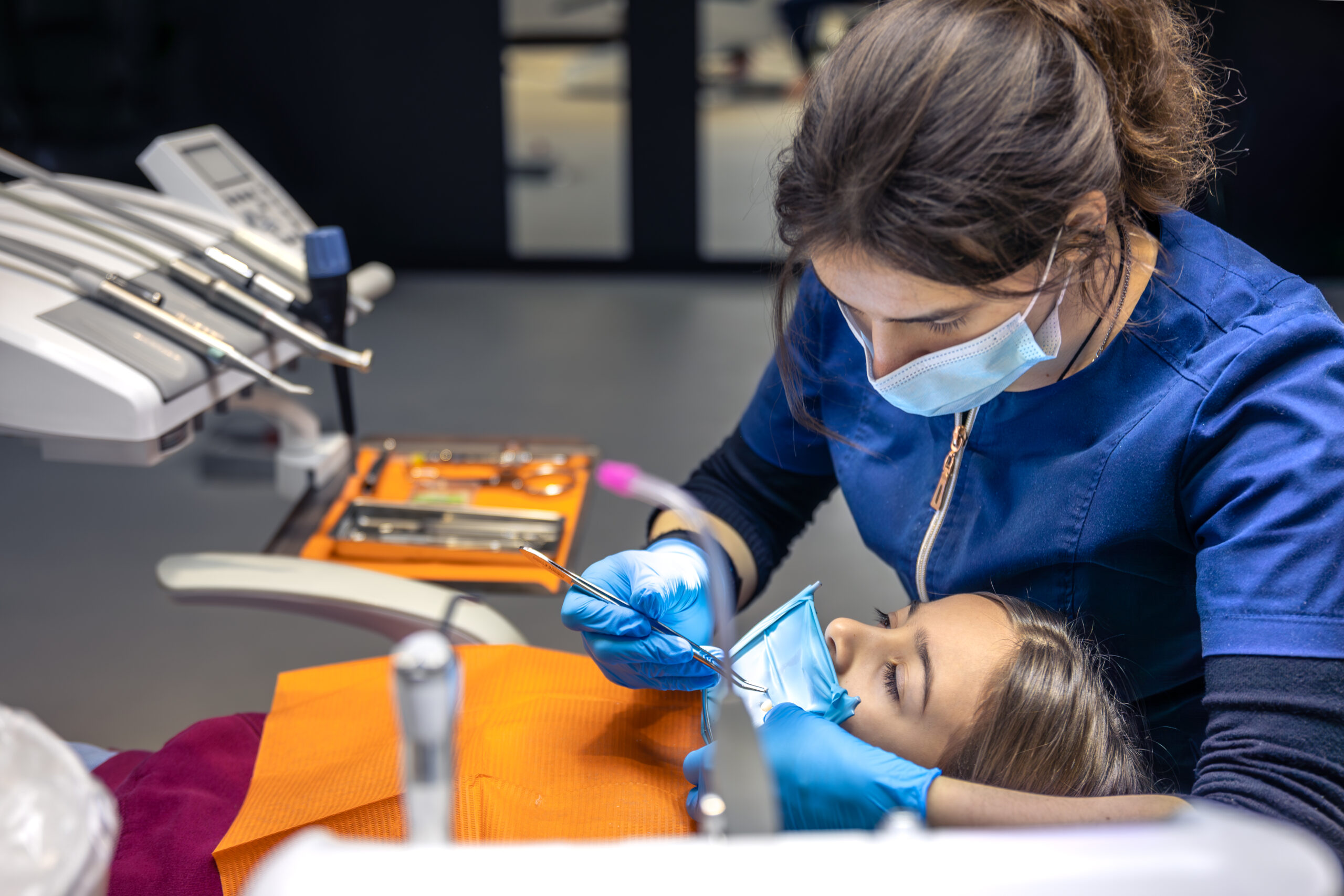
A dental emergency doesn’t announce itself. One moment you’re eating, playing sport, or simply going about your day, and the next you’re dealing with sharp pain, a cracked tooth, or swelling that wasn’t there an hour ago. A Dental Emergency Montreal situation demands the same thing every time: fast, professional attention from someone who knows what they’re doing. Waiting it out rarely helps and often makes things worse. This guide covers the most common dental emergencies, what to do before you reach the clinic, and when to call for same-day care.
What Counts as a Dental Emergency?
Not every dental concern is an emergency, but several situations genuinely are. If you’re experiencing any of the following, you should contact a dentist cote des neiges as soon as possible rather than waiting for a routine appointment:
- Severe or persistent toothache that doesn’t respond to over-the-counter pain relief
- A broken, chipped, or knocked-out tooth
- A lost filling or crown leaving a tooth exposed and sensitive
- Swelling in the gum, jaw, or face that has developed rapidly
- A dental abscess (a pocket of infection that can spread if left untreated)
- Bleeding from the gums that doesn’t stop
- Soft tissue injury inside the mouth from a fall or impact
If you’re unsure whether your situation qualifies, call. A brief phone conversation with the clinic is far better than waiting and risking further damage or infection.
What Should You Do While Waiting for Your Emergency Appointment?
How do you manage a knocked-out tooth?
Time is critical. If a tooth is knocked out completely, handle it by the crown (the white part), not the root. Rinse it gently with water without scrubbing, and try to reinsert it into the socket if possible. If that isn’t feasible, keep it moist by placing it in a small container of milk or tucked between your cheek and gum. Get to a dental clinic Quebec within 30 to 60 minutes, that window is often the difference between saving and losing the tooth.
What helps with a severe toothache?
Rinse with warm salt water and take an over-the-counter analgesic such as ibuprofen (following package instructions). Avoid placing aspirin directly on the gum or tooth, as this can burn the soft tissue. A cold compress held against the outside of the cheek can reduce swelling temporarily. None of this replaces professional treatment, but it helps manage discomfort until you’re seen.
What do you do for a broken tooth?
Collect any pieces you can find. Rinse your mouth gently with warm water and apply a cold compress to the face to limit swelling. If there’s bleeding, apply gentle pressure with clean gauze. Don’t try to reattach the piece yourself.
How Is a Dental Emergency Treated at the Clinic?
Toothache and Abscess
Most severe toothaches trace back to decay that’s reached the pulp, a crack, or an infection that’s taken hold. What happens next depends on what the dentist finds:
- Decay into the pulp means root canal treatment to clear the infection and close the tooth
- An abscess gets drained; antibiotics treat the infection, but the tooth still needs work
- If nothing’s salvageable, the tooth comes out and we talk through replacement from there
Broken or Chipped Teeth
Minor chips can often be repaired with composite bonding in a single visit. More significant breaks may require a crown. If the pulp is exposed, root canal treatment is necessary before the tooth is restored. A knocked-out tooth that arrives promptly may be reimplanted and splinted.
Lost Fillings and Crowns
A tooth without its filling or crown is vulnerable to sensitivity, further decay, and fracture. Temporary coverage options are available at the clinic while a permanent restoration is arranged.
What Are the Most Common Causes of Dental Emergencies?
Understanding how dental emergencies happen helps with prevention:
- Untreated decay that progresses to the pulp and becomes acutely infected
- Trauma from sports where mouth guards weren’t worn
- Biting something hard unexpectedly, ice, an olive pit, hard bread
- Old or failing restorations that crack under normal chewing pressure
- Gum disease that progresses to abscess formation
For children and adults who play contact sports, a custom-fitted mouth guard is one of the most effective preventive investments available.
Get Fast, Reliable Care at Galerie Dentaire Soleil
When a Dental Emergency Montreal strikes, you need a clinic that takes same-day situations seriously and knows how to handle them properly. Galerie Dentaire Soleil is located in the Côte-des-Neiges neighbourhood and serves patients across Montreal with a full range of dental services, from routine prevention to complex restorative care.
Our team is known for its professional, calm approach and takes the time to explain what’s happening and what your options are, even in stressful situations. Call us at (514) 731-1443 to speak with the team or book an appointment online. Don’t wait and hope it resolves on its own; most dental emergencies worsen without treatment.
Frequently Asked Questions
1. How quickly should I seek treatment for a dental emergency?
As quickly as possible. For a knocked-out tooth, the goal is to reach a dentist within 30 to 60 minutes. For infections and abscesses, same-day treatment is important because oral infections can spread to adjacent tissue, the jaw, and in severe cases beyond. Even for situations that seem less urgent, calling the clinic the same day you notice the problem is always the right move. Most clinics reserve time in their schedule for emergency situations and can advise you over the phone on how urgent your case is.
2. What is a dental abscess, and how serious is it?
An abscess is a bacterial infection that’s formed a pocket of pus, usually from untreated decay, a cracked tooth, or advanced gum disease. You’ll typically know something is wrong: throbbing pain, swelling in the face or jaw, sometimes a fever. It won’t go away on its own, and antibiotics treat the infection but not the underlying cause. The tooth still needs to be dealt with by a dentist, ideally the same day.
3. Can a broken tooth be saved, or does it always need to be extracted?
It depends on what’s left and how deep the break goes. A small chip is usually a quick bonding repair. A bigger fracture might need a crown. If the break has reached the pulp, you’re looking at root canal treatment before the crown goes on. Extraction only comes up when there’s not enough tooth left to work with, or the root is cracked below the gumline. The sooner you come in, the more options there are.
4. What should I do if I lose a filling or crown unexpectedly?
Call us and get in as soon as you can. Until then, avoid chewing on that side as the tooth will be sensitive and more vulnerable to breaking further. Pharmacy dental cement can cover the area temporarily, but it’s a stopgap, not a fix. An unprotected tooth deteriorates quickly.
5. Does Galerie Dentaire Soleil see new patients for emergencies?
Yes. You don’t need to be an existing patient. Call us at (514) 731-1443, tell us what’s happening, and we’ll get you in as quickly as we can. We see patients from across Montreal and the Côte-des-Neiges area and will advise you over the phone on how urgently you need to be seen.
