
Periodontal diseases
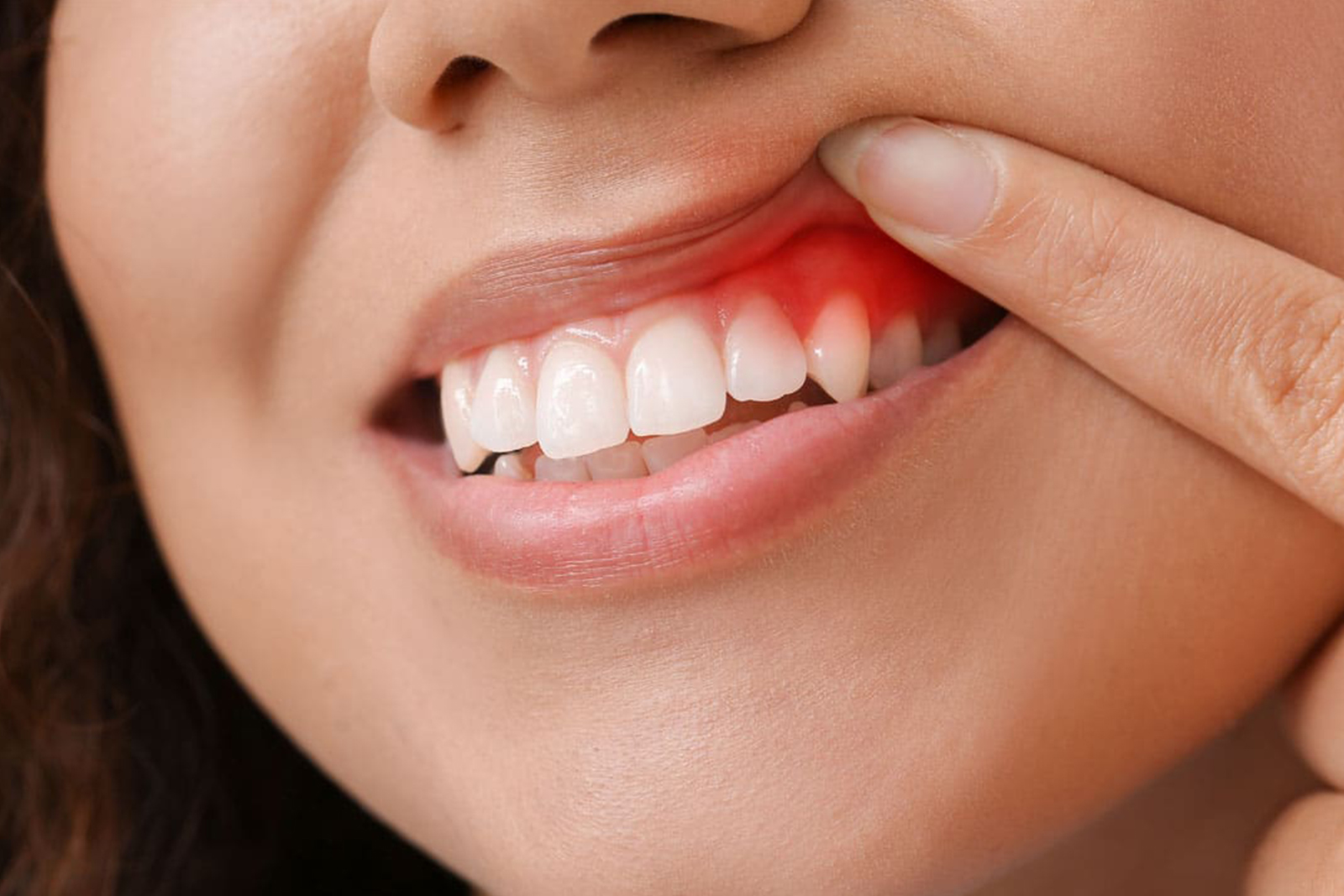
Periodontal diseases comprise a wide range of inflammatory conditions that affect the tissues surrounding and supporting your teeth which could lead to tooth loss and inflammation.
Also referred to as gum disease, periodontal disease is caused by bacteria in your mouth that aren’t cleared away by brushing your teeth which form a sticky film of bacteria named plaque. The plaque hardens over time and forms tartar which needs professional cleaning to get rid of.
Gum disease is usually painless, you may not know you have it that’s why it’s important to visit your dentist every 6 months for a dental check-up to keep your mouth healthy and prevent any dental problems.
Call us now at Sun Dental Gallery in Côte des Neiges, Montreal to schedule an appointment with our dentist for a dental check-up.
Types of periodontal disease
The early stage of gum disease is called gingivitis which includes swollen and bleeding gums.
At this stage, the disease is still reversible and can usually be eliminated by a professional cleaning.
Advanced gum disease is called periodontitis. It is defined by the loss of bone supporting the teeth. Your teeth will feel loose and start moving around in your mouth.
What are the symptoms of gum disease?
- Bad breath or bad taste.
- Red or swollen gums.
- Permanent teeth that are loose or separating.
- Any change in the way your teeth fit together when you bite.
- Tender or bleeding gums.
- Toothaches and pain while chewing.
- Loose teeth.
- Sensitive teeth.
What causes gum disease
- Smoking and chewing tobacco.
- Genetics and family history.
- Crooked teeth can be a breeding ground where plaque can build up and harm your teeth and gums.
- Hormonal Shifts for Females during pregnancy
- Diabetes.
- Some medications.
Get in touch with us today
(514) 731-1443
Frequently Asked Questions
What is periodontal disease?
Periodontal disease, also known as gum disease, is an infection of the gums and the tissues that support your teeth. It develops when plaque and bacteria build up along the gum line, causing inflammation. If left untreated, periodontal disease can damage the bone supporting your teeth and eventually lead to tooth loss.
What is the difference between gingivitis and periodontitis?
Gingivitis is the earliest stage of gum disease and usually causes red, swollen, or bleeding gums. At this stage, the condition is reversible with professional dental cleaning and good oral hygiene.
Periodontitis is the advanced stage of gum disease. It occurs when the infection spreads deeper below the gums, damaging the supporting bone and tissues. Without treatment, periodontitis can cause loose teeth and permanent tooth loss.
What causes gum disease?
Gum disease is primarily caused by plaque, a sticky film of bacteria that forms on the teeth. When plaque is not removed through daily brushing, flossing, and regular dental cleanings, it hardens into tartar and irritates the gums. Other risk factors include smoking, diabetes, hormonal changes, certain medications, genetics, and poor oral hygiene.
What are the early signs of gum disease?
Common early signs of gum disease include:
- Bleeding gums when brushing or flossing
- Red or swollen gums
- Persistent bad breath
- Tender gums
- Gum sensitivity
- Receding gums
Early treatment can help prevent the disease from progressing into more serious periodontal problems.
What happens if gum disease is left untreated?
Without treatment, gum disease continues to progress. The infection can damage the gums, bone, and tissues that support your teeth, causing gum recession, loose teeth, difficulty chewing, and eventually tooth loss. Research also suggests that untreated gum disease may be associated with certain systemic health conditions.
