
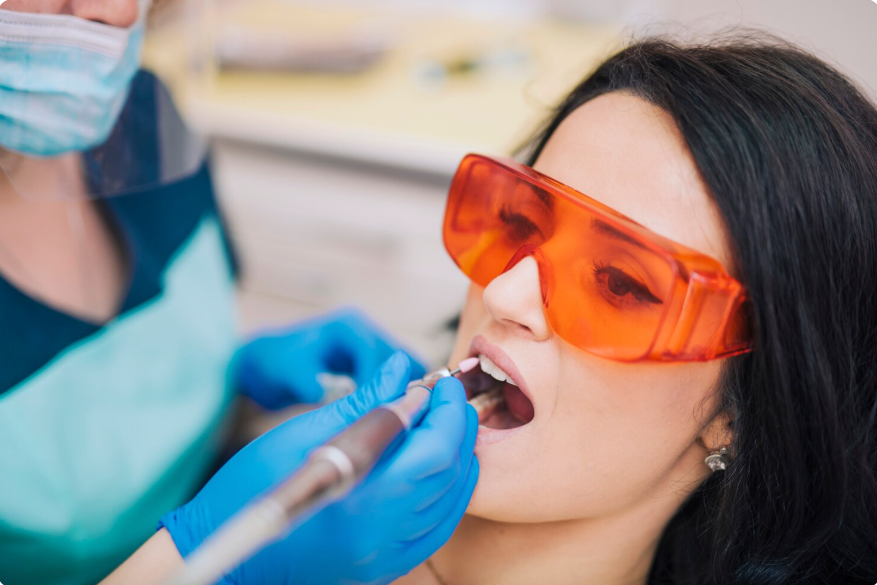
Choosing a dental clinic is rarely a casual decision, especially when treatment goes beyond routine check-ups. Patients want to know that the dentist they trust follows careful clinical judgement, uses proven methods, and prioritises safety at every step. In cities with many options, the search for the best dentist Montreal patients can rely on often comes down to how clearly a clinic explains its approach before treatment even begins. That clarity matters most when procedures involve restoration or care inside the tooth.
At Galerie Dentaire Soleil, dental care is approached with that same sense of responsibility. Each treatment plan begins with a proper assessment and clear discussion, allowing patients to understand what is recommended and why. By focusing on controlled techniques and predictable outcomes, the clinic supports restorative and root-related procedures in a way that feels measured, transparent, and reassuring rather than rushed or unclear.
What Makes Dental Safety a Priority in Modern Montreal Clinics?
Dental safety is not a single feature or a marketing claim. It is the result of several clinical decisions working together, often before treatment even starts. In well-run clinics, safety begins with how information is gathered and how risks are assessed, not with the procedure itself.
For patients comparing dental clinics in Montreal, the best dentist Montreal usually follow a few core habits that help protect long-term oral health:
- Accurate checks before any treatment begins: Clear imaging and careful examination help determine whether a tooth can be saved, restored, or needs more advanced care, reducing guesswork.
- Materials chosen for strength, not convenience: Restorative options, including a dental inlay, are selected based on fit, durability, and how the tooth will function over time, rather than how quickly the procedure can be completed.
- A controlled clinical setup: Consistent sterilisation, proper isolation techniques, and a step-by-step working process help reduce the risk of infection and technical errors during treatment.
- Clear explanations for patients: When patients understand what is being done and the reason behind it, they are better prepared for recovery and more likely to follow aftercare instructions correctly.
When Is a Dental Inlay the Safer Choice Than a Filling?
Not all tooth damage can be managed the same way. While fillings work well for small areas of decay, larger or weakened sections of a tooth often need a more controlled solution. This is where clinical judgement becomes critical, especially in practices that aim to function as the best dentist Montreal clinics patients seek for long-term results.
A dental inlay is typically recommended when a tooth has enough healthy structure remaining but needs reinforcement that a standard filling cannot provide. Unlike fillings, inlays are custom-made outside the mouth and then bonded precisely into place. This allows for better control over fit, strength, and bite alignment.
Inlay vs Filling: Safety and Stability Comparison
| Clinical Factor | Dental Filling | Dental Inlay |
| Precision of fit | Shaped directly in the mouth | Fabricated to exact measurements |
| Strength over time | Suitable for small restorations | Designed for moderate structural loss |
| Risk of shrinkage | Possible as material sets | Minimal due to controlled fabrication |
| Bite accuracy | Depends on manual shaping | Verified before final placement |
| Longevity | Short to medium term | Long-term stability when properly placed |
How a Best Dentist Montreal Approaches Dental Inlays Step by Step
Placing a dental inlay safely is not about speed. It depends on handling each stage carefully so the tooth feels natural and remains strong over time. This step-by-step approach is usually seen in the best dentist Montreal clinics that focus on long-term results instead of quick solutions.
1. Initial assessment and tooth preparation
The process starts with a careful check of the tooth and the surrounding area. Only the damaged part is removed, while healthy enamel is kept intact as much as possible. The aim is to support the tooth, not weaken it by removing more than necessary.
2. Precise impressions and fabrication
Once the tooth is prepared, accurate impressions or digital scans are taken. The dental inlay is then made to match the exact shape of the tooth, helping it fit comfortably and handle normal biting pressure. This stage is done carefully rather than quickly.
3. Trial fitting and bite verification
Before final placement, the inlay is tested to see how it fits and how the bite feels. Any pressure or imbalance is corrected at this stage, which helps prevent discomfort later.
4. Secure bonding and final checks
The inlay is bonded using controlled techniques that protect the tooth and nearby tissue. Final checks are done to confirm the restoration feels comfortable and works properly during daily use.
Why Root Canal Treatment Is About Precision, Not Pain
Modern root canal treatment is no longer defined by discomfort. The outcome depends on how accurately the procedure is planned and carried out, not on how quickly it is finished. When precision leads the process, pain becomes a secondary concern rather than the central issue.
What precision-focused root canal treatment involves
- Targeted diagnosis before treatment: X-rays and scans are used to clearly see where the infection is and how the canals are shaped. This helps treat only the affected area and avoid touching healthy parts of the tooth.
- Controlled canal cleaning: Each canal is cleaned slowly and carefully to remove infection without damaging the inside of the tooth.
- Exact shaping and sealing: The canals are shaped properly so they can be sealed tightly. This helps stop bacteria from coming back later.
- Stability checks before restoration: Before the tooth is restored, it is checked to make sure it is strong enough to handle normal chewing.
How Does Galerie Dentaire Soleil, the Best Dentist in Montreal, Maintain Clinical Discipline in Restorative Care?
At Galerie Dentaire Soleil, restorative dental work is not treated as a one-step solution. Each decision is taken with the future of the tooth in mind, especially when treatment involves internal care or a dental inlay. The focus stays on doing what keeps the tooth stable and usable, not on finishing treatment quickly.
- Diagnosis-led treatment planning: Every case starts with a proper examination so the dentist can decide whether the tooth can be treated safely or needs a different approach before any work begins.
- Procedure sequencing for long-term outcomes: Treatments are planned in a clear order, making sure one step supports the next and avoids problems that can happen when procedures are rushed or poorly timed.
- Material and technique selection based on function: Whether the treatment involves a root canal treatment or an inlay, materials and methods are chosen based on how the tooth will work during everyday use, not on convenience.
- Consistency through follow-up and evaluation: After treatment, the tooth is checked to make sure it feels comfortable, works properly, and continues to hold up over time.
Make an Informed Decision About Your Dental Care
Dental treatment should never feel rushed. Procedures like a dental inlay or treatment inside a tooth need careful planning to protect the tooth and avoid problems later. When each step is thought through properly, patients usually feel more comfortable with both the treatment and the result.
At Galerie Dentaire Soleil, treatment starts with understanding the tooth first. The dentist explains the condition, then plans the next steps clearly. If you want to know your options before deciding, you can book a consultation and talk through your treatment without pressure.